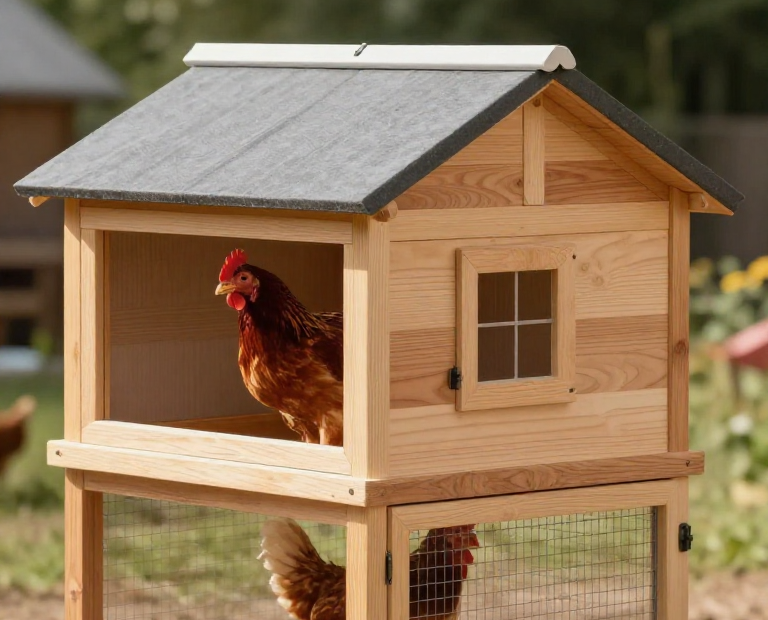
Essential Steps for Building a Chicken Coop
Building a chicken coop can be a rewarding and fulfilling project for any gardening or DIY enthusiast. Proper construction ensures your chickens are safe, comfortable, and productive. Let’s explore the essential steps that will guide you in constructing the perfect chicken coop.
Determine the Size and Location
The first step is to decide how many chickens you want to keep. A common guideline is to allocate at least 4 square feet of coop space and 10 square feet of run space per chicken. This ensures they have enough room to roam and be comfortable.
Next, you need to choose the right location. Select a spot that is level, well-drained, and has access to sunlight. Avoid areas prone to flooding or heavy winds. A sheltered area near trees can provide shade and protection, but ensure chickens cannot escape or be caught by predators.
Gather Essential Materials
Once you have a clear plan, it’s time to gather the materials needed for your chicken coop. Here is a list of essential supplies:
- Wood or metal framing materials
- Plywood for walls
- Wire mesh for ventilation
- Roofing materials (shingles, metal, etc.)
- Hinges and latches for doors
- Feeders and waterers
- Nails and screws
- Insulation (if necessary for colder climates)
Purchasing quality materials will ensure the longevity and safety of your coop.
Designing the Coop
Before you start building, sketch a plan for your chicken coop. Think about the layout, including nesting boxes, roosting areas, and ventilation. A typical setup includes:
- Nesting boxes: Provide 1 box for every 3-4 hens.
- Roosting bars: Elevate these to allow chickens to sleep off the ground, secure from pests.
- Ventilation: Proper airflow is crucial for the health of your chickens.
This design will help ensure your chickens are happy and comfortable. Aim for at least 10-12 inches of space per chicken on the roosting bars.
Building the Structure
With your design in place and materials gathered, it’s time to start building. Follow these steps:
- Construct the base: Start with a sturdy base using treated wood to prevent rot.
- Build the walls: Erect the walls with plywood or metal siding. Be sure to leave openings for windows and doors.
- Add the roof: Ensure your roof is sloped to allow for rain runoff. Secure it properly against wind.
- Install the doors and windows: Make sure doors are large enough for easy access, and windows provide ample light while being securely screened.
- Incorporate ventilation: Cut openings for vents and cover them with wire mesh. This prevents predators from entering while ensuring fresh air circulates inside.
Finishing Touches
Once the main structure is complete, consider these finishing touches:
- Paint or treat the wood: Protecting your coop from the elements will extend its lifespan.
- Add nesting boxes: Install these at a convenient height for your chickens.
- Secure feeders and waterers: Place them in a sheltered area to prevent spoilage.
- Introduce a run: If you plan to let your chickens roam outside, build an enclosed run to keep them safe.
Introduce Your Chickens
Now that your chicken coop is built and well-equipped, it’s time to introduce your feathered friends. Gradually acclimate them to their new environment. Monitor their behavior during the first few days and make adjustments as necessary. Provide plenty of food, fresh water, and ensure they have safe places to nest and roost.
Building a chicken coop can seem daunting at first, but with careful planning and attention to detail, you can create a nurturing environment for your chickens. They’ll reward you with fresh eggs and companionship for years to come!
Common Mistakes to Avoid When Constructing a Chicken Coop
Building a chicken coop can be a rewarding project, but many first-time builders make common mistakes that can lead to problems down the line. If you’re planning to construct a chicken coop, avoiding these pitfalls can help ensure a safe and comfortable environment for your feathered friends. Here are some key mistakes to steer clear of:
Skipping Proper Planning
One of the biggest missteps in building a chicken coop is jumping into construction without well-thought-out plans. Before you start gathering materials, take time to sketch your coop design, considering key elements such as size, ventilation, and nest boxes. Know how many chickens you plan to keep. A good rule of thumb is to allow about 4 square feet of indoor space per chicken and 10 square feet of outdoor run space.
Neglecting Ventilation
Good airflow is vital for keeping your chickens healthy. Many builders forget to include sufficient ventilation in their designs, which can lead to dampness and ammonia buildup inside the coop. Be sure to include windows or vents that can be opened or closed based on the weather. A well-ventilated coop will help keep your chickens dry and comfortable.
Choosing the Wrong Location
Your coop’s location can significantly impact the health of your chickens. Avoid placing it in a low-lying area where water may pool or in direct sunlight without any shade. Ideally, position your coop in a spot that receives some sun and some shade. This allows your chickens to stay cool in summer and warm in winter.
Ignoring Security Features
Predators are always a concern when raising chickens. Many builders forget to take the necessary steps to secure their coops. Here are some security features to keep in mind:
- Use sturdy materials for your coop construction.
- Install hardware cloth instead of chicken wire, as it is more resistant to predators.
- Ensure that doors and windows close securely.
- Bury the fencing underground to prevent animals from digging in.
Overlooking Nesting Areas
Chickens need a comfortable and private place to lay eggs. Failing to include adequate nesting boxes can lead to stress among your birds. You should have one nesting box for every three to four hens. Make sure the boxes are cozy and lined with straw or wood shavings for bedding.
Inadequate Access to Food and Water
Chickens require constant access to food and fresh water. A common mistake is placing food and water sources in hard-to-reach areas or neglecting to ensure they are clean and filled. Position feeders and waterers in a way that is easy for you to refill without disturbing the chickens too much. Regular maintenance is essential for keeping these resources fresh.
Neglecting the Floor
The floor of your chicken coop plays a crucial role in cleanliness and comfort. Many builders fail to consider the flooring materials and their maintenance. A dirt floor can become a muddy mess, while wood can rot over time. Evaluate your needs and choose a flooring solution that makes cleaning easy, such as a solid floor with straw bedding that you can replace regularly.
Forgetting About Cleaning
Cleaning is essential for chicken health. Builders often forget to create easy access points for cleaning. Plan for features such as removable litter trays or a design that allows you to easily enter the coop. Regular cleaning will prevent the buildup of waste and bacteria.
Underestimating Cost
Starting a coop can become more expensive than initially planned due to unforeseen expenses. Ensure you account for all materials, tools, and any necessary permits. It might help to create a budget that includes a buffer for unexpected costs.
By acknowledging these common mistakes when constructing your chicken coop, you can create a safe, comfortable, and enjoyable home for your chickens. Strive to put in the effort during planning and construction to set the foundation for a successful operation.
Conclusion
Building a chicken coop can be a rewarding project that enhances your backyard and provides a safe haven for your feathered friends. Following the essential steps outlined in this guide will set you up for success: from selecting the right location to ensuring proper ventilation and space for your chickens. Remember, the happiness and health of your birds depend on the thoughtfulness of your design.
It’s just as important to steer clear of common mistakes during the construction process. Avoiding issues like poor drainage, insufficient insulation, and inadequate predator-proofing can save you time, money, and heartache in the long run. Pay attention to details, like making sure your coop is well-ventilated and easy to clean. These small considerations can make a significant difference in your chickens’ living conditions.
As you embark on building your chicken coop, keep your goals in mind: to create a safe, comfortable environment for your chickens to thrive. With careful planning and execution, you’ll not only enjoy fresh eggs but also the joy of watching your chickens flourish. Whether you’re a first-timer or an experienced builder, patience and creativity will be your best tools. Embrace the journey, learn as you go, and enjoy the process of crafting a coop that reflects your needs and your chickens’ well-being. Happy building!